
When you opened your inbox today, a silent tool had already routed the spam away. According to industry data, over half of global emails are filtered this way. That is not a simple checklist; it is a system calculating patterns.
This everyday process highlights the exact difference between artificial intelligence and automation. Traditional automation acts as the “doer,” functioning like a mechanical arm repeating a fixed recipe to cap bottles. Conversely, AI serves as the “decider,” processing data to predict when that arm needs maintenance.
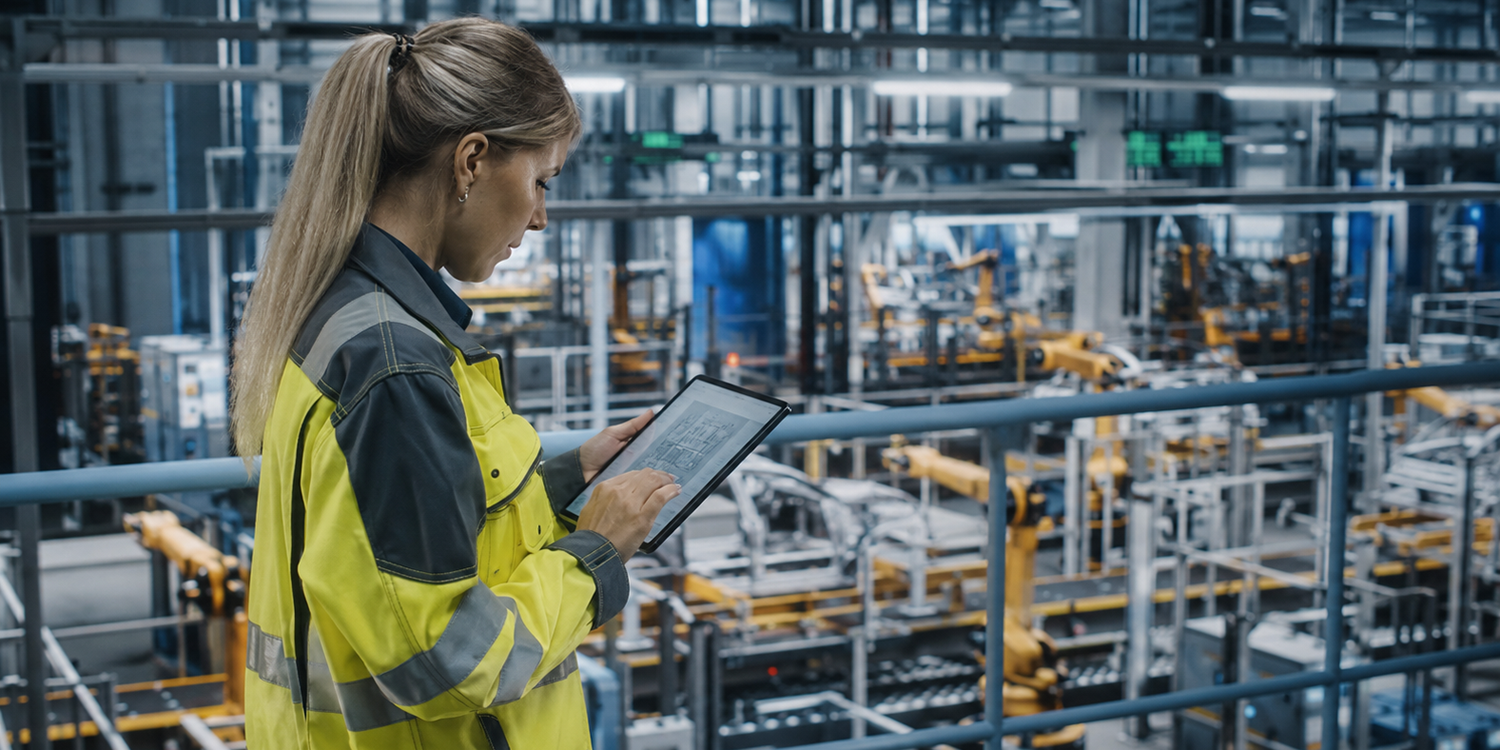
Across the continent, blending these tools into AI automation is sparking a quiet digital transformation. Europe’s industrial shift relies less on building new physical robots, and more on software designed to help humans work efficiently alongside machines.
Sorting laundry by color is a strict, step-by-step routine. In digital workspaces, this rigid “if-then” recipe is rules-based logic. The fundamental difference between rules-based automation and cognitive AI involves handling the unexpected. Automation follows instructions flawlessly, making it ideal for reducing human error with robotic process automation during predictable, repetitive tasks.
Yet, what happens if a red sock is hidden inside a white shirt? Simple automation fails because it cannot adapt. Cognitive systems step in by processing information through “pattern recognition sieves.” Think of these sieves as layers of a digital net: one layer catches a shape, another catches a color, and the next identifies a texture until only the correct answer remains.
Mapping the right tool to the daily task is crucial. A fixed recipe works best for logging standard customer invoices without fatigue. Conversely, spotting a cleverly disguised fraudulent credit card charge requires AI’s advanced sifting power to calculate subtle, unusual trends.
Modern systems now move beyond organizing historical data to actively forecasting future obstacles, marking a massive leap from simply reacting to proactively predicting.
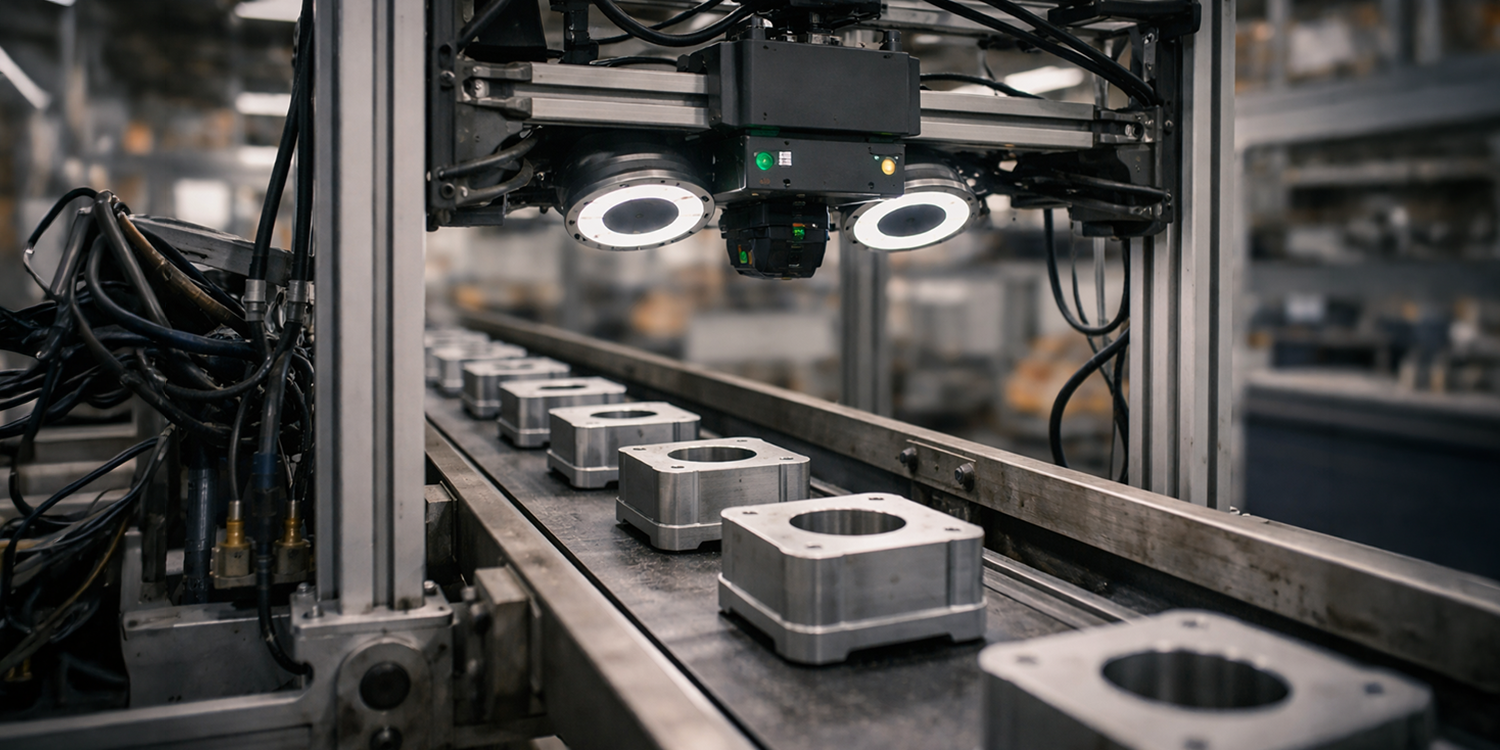
Have you ever noticed how a car’s dashboard warning light clicks on right before a breakdown? In manufacturing, waiting for machines to stop costs thousands of dollars per minute. Facilities now rely on predictive maintenance (fixing equipment just before it fails) by analyzing the slight vibrations captured by industrial sensors.
Making sense of this constant data stream requires a specialized digital sieve. The success of neural networks and predictive maintenance relies on overlapping layers of filters. Imagine pouring raw factory numbers through a digital funnel: the top layer catches basic heat spikes, the middle identifies unusual grinding, and the final layer calculates exactly when a mechanical belt will snap.
This proactive strategy improves business efficiency through a reliable three-step routine:
By processing these invisible signs of wear, companies save millions in downtime. While calculating physical breakdowns transforms the factory floor, similar predictive tools are simultaneously reshaping desktop work.
While factory sensors predict mechanical breakdowns, office computers can now anticipate what you need to write. This shift introduces large language models in enterprise operations directly to your desktop. Think of these systems as a highly advanced autocomplete, processing millions of past documents to calculate the most logical next word in a sentence.
Tackling a flooded inbox becomes much easier when an AI intern drafts your initial responses. Companies are already seeing the benefits of natural language processing for customer support, using the technology to instantly summarize long email threads. The software recognizes standard communication patterns so you never have to start from a blank page.
Because these tools predict text rather than truly understanding it, they require a “human-in-the-loop” (a person who reviews the output before it leaves your desk). Enhancing productivity through generative pre-trained transformers means editing a rough draft rather than replacing workers. You simply catch the digital mistakes while saving hours of effort.
Offloading repetitive typing allows your brain to focus exclusively on creative problem-solving. When software handles routine paperwork, you gain time to actually connect with clients.
Upgrading your daily routine doesn’t require a massive budget. Start with a straightforward cost-benefit analysis of smart technology integration; if a tool takes longer to manage than the hours it saves, skip it. The goal is building intelligent workflows—routines where software processes repetitive data so you can focus on higher-level choices.
Successful teams avoid chaotic rollouts by following three precise steps to implement intelligent workflows:
Trusting these upgrades relies on algorithmic transparency (clearly seeing the rules the software uses to calculate its results). You should always know why a program flagged a document or sorted a file. Actively addressing ethical concerns in algorithmic systems ensures the technology remains a helpful assistant rather than a hidden risk.
You no longer need to view artificial intelligence as a looming threat. Instead of wondering if machines will replace manual tasks, recognize this shift as task evolution rather than complete job loss.
To confidently navigate the real-world applications of autonomous systems in industry, start your personal roadmap today. Learn the core terminology, identify just one routine chore to automate this week, and stay endlessly curious about how these tools operate.
Ultimately, the future of work with machine learning relies entirely on prioritizing human judgment over simple calculation. By treating these digital assistants as collaborative partners rather than competitors, you are fully prepared to shape your own technological journey and thrive.


Comments are closed