
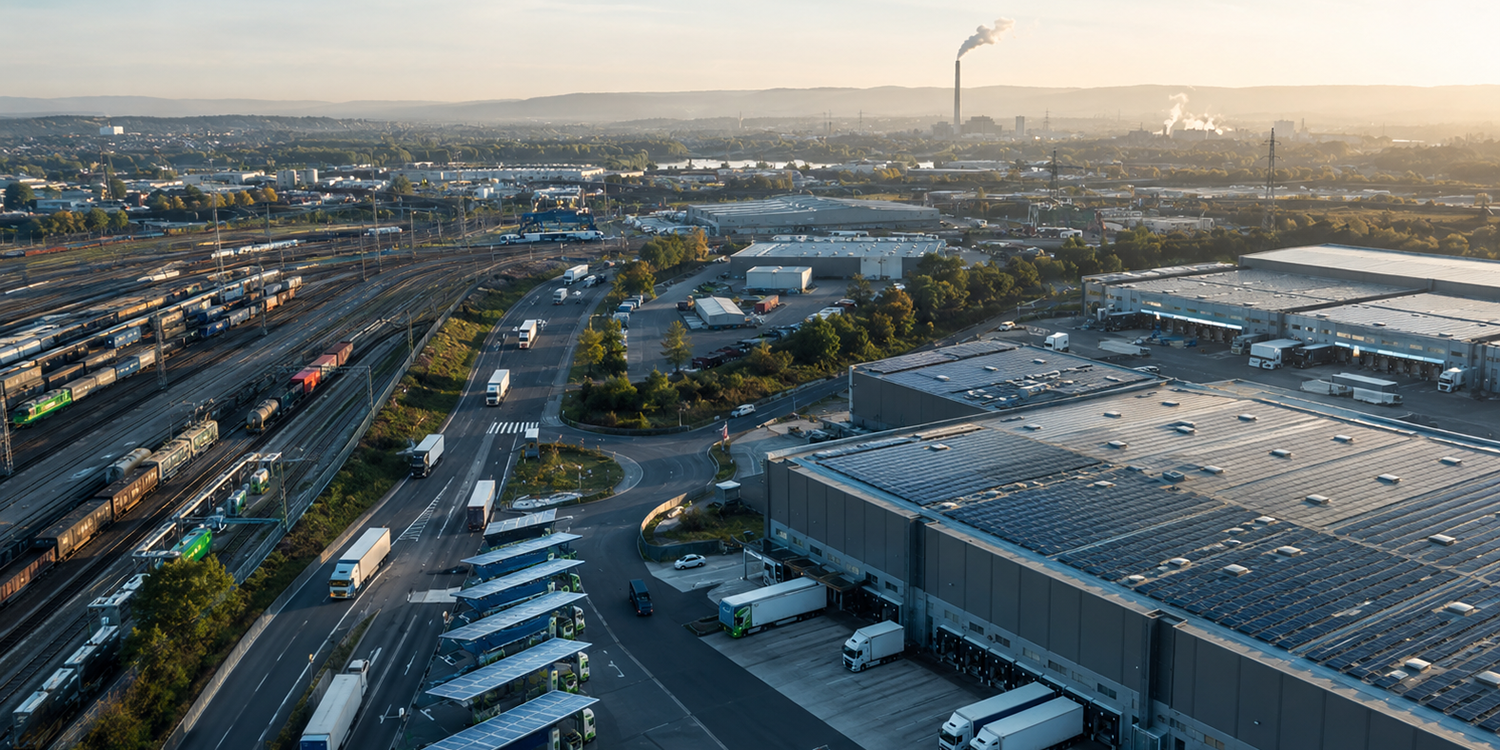
The industrial sector is standing at a historic crossroads. For decades, aggressive production goals and environmental responsibility were viewed as opposing forces. Today, however, they are deeply interconnected. Driven by climate urgency, volatile energy costs, and rapid technological advancements, manufacturing is undergoing a profound evolution.
If you find yourself asking exactly What the Green and Digital Transition Actually Means for Industrial Companies, the answer lies in a fundamental restructuring of how we produce, consume, and manage resources. This shift is not just about installing solar panels or going paperless; it is about leveraging advanced digital tools to make industrial operations leaner, cleaner, and more profitable.
Here is an in-depth look at how this dual transformation is reshaping the industrial landscape, the tangible benefits it offers, and how your company can navigate the road ahead.
For a long time, the conversation in the manufacturing sector felt fragmented. In the past, debates often centered around Industry 4.0 vs sustainable manufacturing, as if companies had to choose between technological advancement and environmental stewardship. Today, those two concepts have merged into what experts call the “twin transition.”
The core of the green and digital transition is recognizing that you cannot improve what you cannot measure. Understanding how digitalization drives industrial sustainability is the first step toward modernization. Cloud computing, advanced analytics, and interconnected sensors give industrial leaders the visibility they need to identify inefficiencies, optimize processes, and drastically reduce their environmental impact.
Adopting a twin transition strategy offers a wealth of advantages that go far beyond good public relations. By merging digital innovation with sustainability goals, industrial companies are realizing massive operational improvements.
Historically, adopting eco-friendly technology meant accepting higher upfront costs with slow returns. Today, digital tools make sustainable tech incredibly efficient.
Industrial facilities consume massive amounts of power, making energy efficiency a top priority. Deploying smart energy management for factories allows plant managers to monitor power usage at the machine level. Automated systems can power down idle equipment, shift heavy energy loads to off-peak hours, and seamlessly integrate renewable energy sources into the grid.
Furthermore, the transition extends beyond the factory walls. Decarbonizing supply chains with IoT (Internet of Things) devices provides end-to-end transparency. With GPS and environmental sensors, companies can track the carbon emissions of their logistics networks in real-time, optimizing shipping routes to save fuel and reduce their Scope 3 emissions.
The traditional “take-make-dispose” manufacturing model is rapidly becoming obsolete. The future belongs to circular economy models for industry, where products and materials are designed from the ground up for durability, reuse, remanufacturing, and recycling.
Achieving this level of circularity is nearly impossible without implementing data-driven sustainability. You need precise data to track a product’s lifecycle, understand its material composition, and manage its end-of-life recovery.
Advanced software is making this easier than ever. For example, reducing carbon footprint through AI is becoming standard practice for industry leaders. Artificial intelligence algorithms can instantly analyze thousands of variables to recommend the most sustainable raw materials, streamline packaging, and optimize recycling processes, ensuring that minimal waste ends up in landfills.
While the benefits are clear, the path forward is not always easy. Industrial leaders frequently face complex green and digital transformation challenges. Legacy equipment, siloed data, and resistance to cultural change can slow down progress.
To overcome these hurdles, companies must address three critical areas:
Governments worldwide are tightening environmental standards. Keeping up with industrial decarbonization regulatory compliance—such as carbon taxes, emissions caps, and strict reporting mandates—can be overwhelming. Furthermore, measuring ESG in heavy industry (like steel, cement, and chemical manufacturing) requires incredibly precise data. Manual spreadsheets are no longer sufficient; companies need automated, auditable digital reporting tools to prove their environmental and social progress to regulators and investors.
Technology is useless without capable people to run it. One of the biggest bottlenecks today is the talent gap. Cultivating future skills for green industrial workforce demands proactive investment. Companies must upskill their current employees, offering training in data analysis, sustainable engineering, and digital literacy to ensure their teams can confidently operate these new systems.
Boardrooms require hard numbers. Proving a strong sustainable technology investment ROI is vital to secure funding for modernization projects. Fortunately, the ROI is easier to prove today than ever before. When you factor in reduced energy bills, lower material waste, avoided regulatory fines, and the premium that eco-conscious consumers are willing to pay, the payback period for digital-green investments is shrinking rapidly.
If you are ready to embrace the twin transition, here are a few actionable steps to get started:
The fusion of digital innovation and environmental stewardship is redefining global manufacturing. What the green and digital transition actually means for industrial companies is an opportunity to future-proof their operations. By utilizing smart technologies to drive sustainable outcomes, industrial companies can reduce their ecological footprint while simultaneously boosting their efficiency, profitability, and competitive edge. The companies that recognize this synergy today will be the undisputed industry leaders of tomorrow.


Comments are closed