

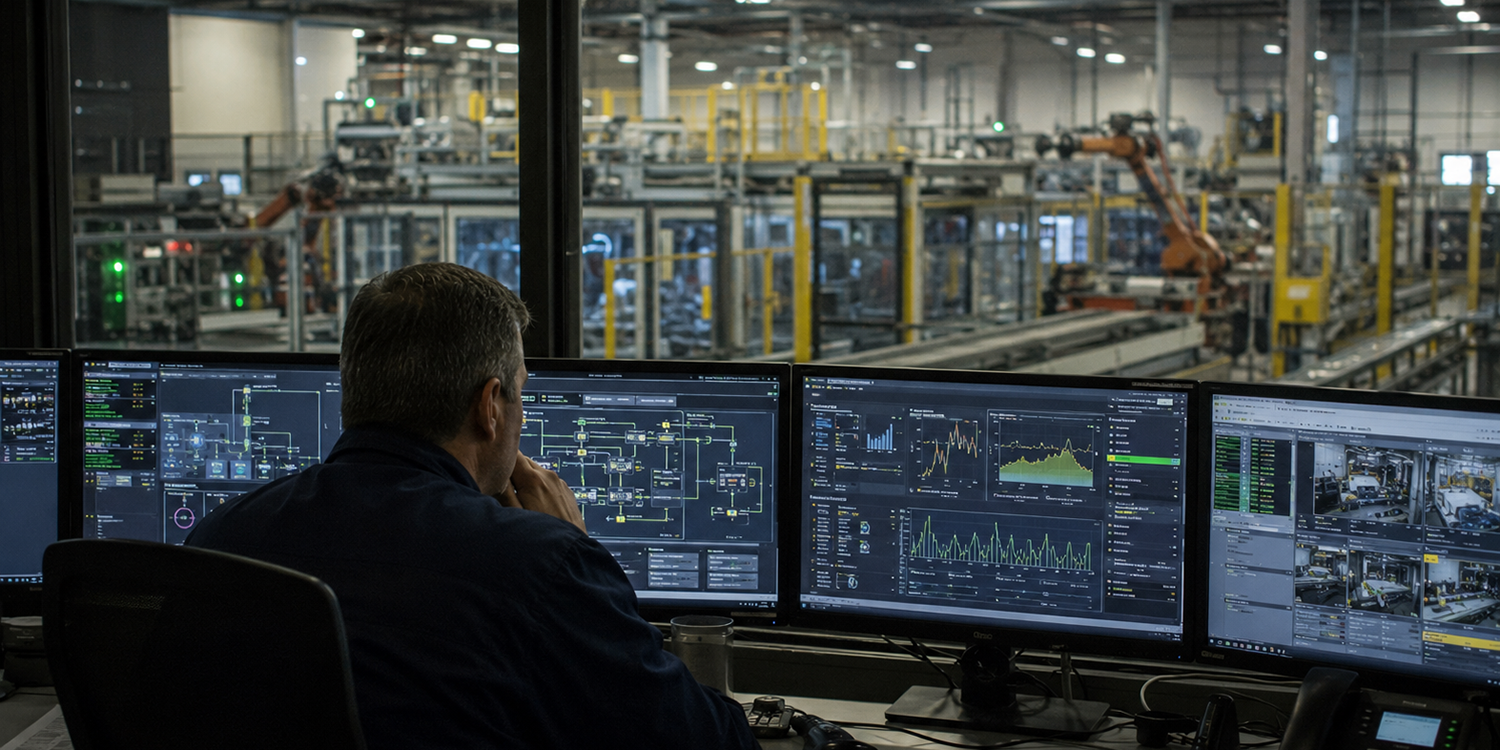
Have you ever used a banking app that crashed simply because you entered a date backward? Traditional software demands rigid, step-by-step instructions to function.
We often treat artificial intelligence like magic, but in practice, it acts more like a chef who learns by tasting rather than strictly reading a recipe. Examining how these systems process data reveals the core difference between AI and traditional software. Instead of requiring exact instructions for every possible scenario, AI-based systems identify underlying patterns from thousands of past examples.
According to software developers, this transition from traditional to intelligent software explains why our daily applications suddenly feel more human. They no longer just blindly execute commands; they predict your next move.
Trying to assemble furniture using an instruction manual missing a page almost always ends in frustration. Traditional software works exactly like that rigid booklet. When you use a banking app, the program follows a strict “if-this-then-that” script to move your money, completely unable to improvise if a step is skipped.
This exactness is incredibly useful for tasks requiring perfect accuracy. A calculator doesn’t guess numbers; it follows predetermined steps to guarantee the answer is always correct. You actively want this kind of absolute predictability when dealing with your paycheck or paying taxes.
Relying on developers to define every single rule, however, exposes the limitations of traditional software logic. Rigid scripts cannot handle uncertainty or visual chaos, highlighting the stark contrast between explicit programming and pattern recognition. The moment a task lacks clear, step-by-step instructions, standard programs fail.
Imagine trying to write an instruction manual on exactly how to identify a dog. While building a banking app is mathematically straightforward, describing a living creature using strict code quickly becomes a nightmare because the real world is unpredictable.
A human programmer hits a complexity ceiling almost immediately, unable to write enough manual rules to account for:
This exact failure highlights the fundamental difference between machine learning algorithms and rule-based logic. To solve visual mysteries, data-driven systems are entirely necessary because traditional computers simply cannot process visual chaos using strict text commands. AI’s unique ability to navigate these messy realities makes it the superior choice for predictive analysis and image sorting. To handle a complex world, technology had to evolve past rigid scripts.
Teaching a child what a dog looks like doesn’t involve handing them a list of biological measurements. Instead, you simply point to different dogs on the street until they naturally grasp the concept.
This process illustrates the breakthrough of machine learning. Rather than programmers typing out explicit, rigid orders for a computer to follow, they act more like teachers providing a massive stack of digital flashcards.
To make this work, the computer needs examples to study. Fulfilling the training data requirements for AI systems is crucial; without thousands of labeled pictures of actual dogs and muffins, the software remains completely blind.
As the system reviews these countless examples, modern AI technology acts like an incredibly observant student. Neural networks learn from data by analyzing thousands of images to find the hidden visual patterns that distinguish a wet snout from a baked blueberry.
Eventually, the program stops requiring step-by-step instructions and starts making highly educated predictions based on its past experience.
Despite your best efforts to conserve, power bills can still spike unexpectedly. Upgrading home tech feels pricey, but evaluating the Return on Investment (ROI)—how fast a device pays for itself through lower utility bills—makes the choice easy. Today, most AI efficiency tools pay off within months.
Taking control is simple. Start with these three steps for smart home energy management:
Letting an algorithm handle these choices removes the guesswork from reducing your monthly expenses. Ultimately, these personal upgrades do more than just protect your wallet.
When you type “2+2” on a calculator, you expect four every single time. Traditional software follows rigid rules to deliver mathematically certain results. However, AI operates more like an artist making a highly educated guess. This shift from deterministic to probabilistic programming models means AI can write creative stories, but it also occasionally invents confident mistakes called “hallucinations.”
Recognizing a face in a crowd is an intuitive process that defies simple explanation. That everyday experience illustrates the challenge of AI black box transparency. Because the system finds its own visual patterns rather than following a programmer’s exact instructions, we cannot always see exactly why it made a specific choice.
Fixing these errors requires a completely new mindset. In software maintenance for AI versus standard code, programmers cannot simply dig in and fix a broken line of instructions. Instead, they must provide better examples and retrain the entire system, much like giving a struggling student clearer textbooks to improve their future test scores.
To enjoy the benefits of adaptive artificial intelligence safely, follow this quick checklist:
Living with the ‘Digital Artist’: Your Roadmap for Using Intelligent Systems Wisely
While technology is often treated like magic, the reality is highly practical: traditional programs follow strict rules, while AI-based systems recognize patterns. Viewing these tools as observant students rather than mysterious brains demystifies their capabilities.
Our future relies on both. We need traditional code for perfectly predictable tasks like banking. However, for practical applications of smart algorithms, we are shifting from rigid tools to collaborative partners. This hybrid approach powers automated decision-making in modern software.
Try asking a chatbot a creative question today and notice how it predicts an answer rather than following explicit instructions. Balancing rigid rules with intelligent pattern recognition provides a clear roadmap for utilizing these digital artists wisely.



Comments are closed