


Have you ever paused to think about how your smartphone unlocks instantly when it sees your face, or how your smartwatch alerts you to an irregular heartbeat in a split second? We often credit “the cloud” for these modern marvels, but the real hero is operating much closer to home.
The seamless integration of smart technology into our routines is driven largely by edge intelligence and edge computing in everyday life. Rather than sending every piece of data to a distant server, today’s devices are thinking for themselves.
Here is a look at how this invisible AI shapes the modern world, making our gadgets faster, smarter, and significantly more secure.
To understand this technological shift, it helps to look at cloud computing vs edge computing for home users. In a traditional cloud model, a device collects data, sends it over the internet to a massive, centralized server for processing, and waits for a response. While powerful, this round-trip creates delays (latency).
Edge computing solves this by moving data processing to the “edge” of the network, right where the data is generated. When you add artificial intelligence to the mix, you get edge intelligence. This combination allows edge devices—from smart speakers to autonomous vehicles—to analyze data and make independent decisions locally.
When comparing on-device AI versus cloud-based machine learning, on-device AI wins in speed, privacy, and reliability. If your internet goes down, an edge-enabled device can still function because its brain is built-in.
The most immediate impact of edge technology is felt inside our homes, revolutionizing how we interact with our living spaces.
Smarter, More Private Appliances
Modern homes rely heavily on local data processing in smart appliances. Consider a high-end robot vacuum. Older models sent mapping data to the cloud, raising privacy concerns. Today’s vacuums use localized AI to map your floor plan and avoid obstacles, meaning your home’s layout never leaves the device.
Health Monitoring on Your Wrist
If you have ever asked, how does edge AI improve wearable health trackers, the answer is immediacy. Wearables monitor vital signs continuously. By processing data locally, your smartwatch can instantly detect anomalies like a sudden spike in heart rate or a drop in blood oxygen, triggering immediate alerts without waiting for a cloud connection. This split-second analysis can literally save lives.
Actionable Tip: If you want total control over your home’s data, research how to set up a smart home edge server. Using localized software platforms like Home Assistant on a localized mini-computer (such as a Raspberry Pi) allows you to automate your home entirely offline, maximizing both speed and privacy.
Beyond the home, localized computing is changing how we work, play, and consume media.
When you leave your house, edge intelligence follows you, powering the technology in your pocket and the cars on the road.
Smartphone cameras have evolved into professional-grade tools, largely due to on-device image processing for smartphone cameras. When you snap a photo in low light, the phone’s neural processing unit instantly analyzes and enhances multiple frames to produce one perfect image. Because this happens on the device, it takes milliseconds and requires no cellular data.
The stakes are even higher on the road. Autonomous driving relies entirely on real-time decision making in self-driving cars. A car traveling at 70 miles per hour cannot wait for a cloud server to decide if a pedestrian is crossing the street. Edge computers in the trunk process gigabytes of sensor and radar data instantly, allowing the vehicle to brake safely in fractions of a second.
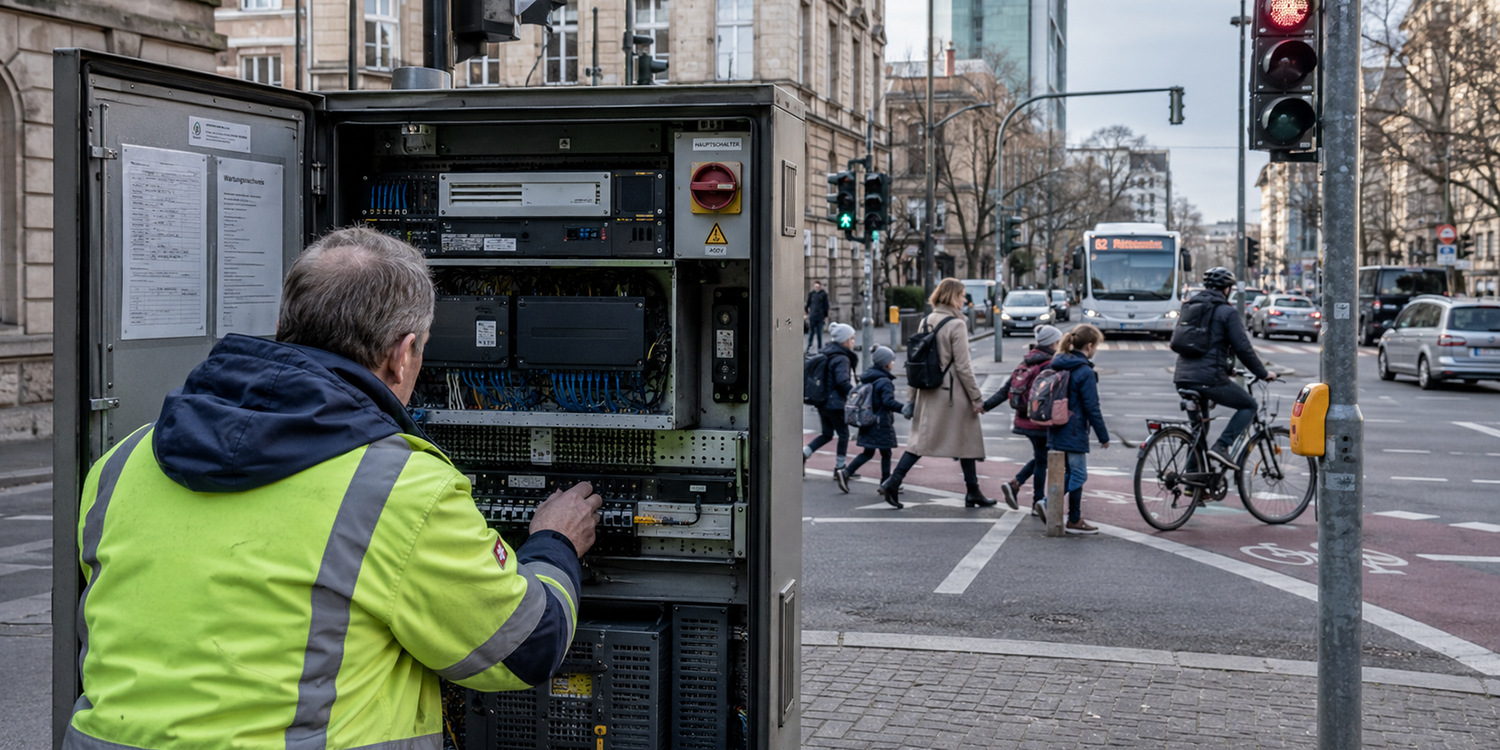
As we scale these technologies up, we start to see exactly how edge computing runs modern smart cities. From traffic lights that adapt to real-time congestion to smart grids that distribute power based on localized demand, edge networks keep urban environments running smoothly.
This city-wide connectivity is supercharged by 5G network integration with distributed computing. 5G provides the massive bandwidth required for millions of devices to communicate, while distributed computing ensures the data is processed efficiently at the local level.
The Security and Environmental Benefits
As our reliance on connected devices grows, two critical concerns emerge: data security and energy consumption. Fortunately, edge intelligence excels at both.
The era of relying solely on massive, faraway data centers is fading. The invisible AI around us is getting faster, smarter, and highly localized. From ensuring your morning run is accurately tracked to keeping autonomous vehicles safe on the highway, edge technology is quietly running the modern world. By keeping data processing close to home, edge intelligence guarantees a future that is not only highly connected but also remarkably private, secure, and efficient.



Comments are closed